So I been busy prepping for gigs. Practicing, experimenting, and generally doing nothing of note. I’ll write something about those gigs once I wrap them up. For now, I figure I can write about gear. What it is, what I’ve learned about it, the story of it, and maybe I can help people with questions. I’m open to that!
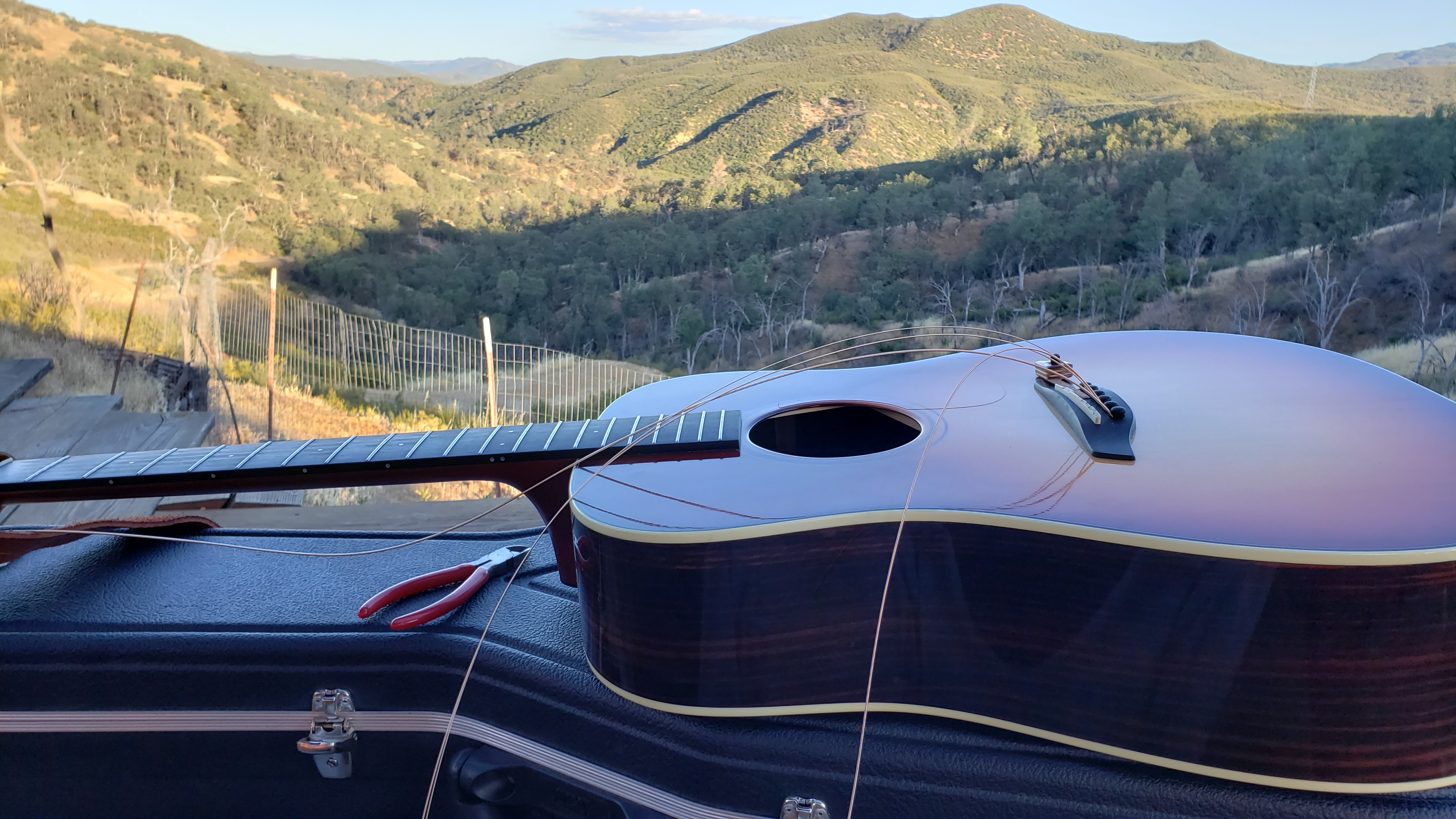
My most important piece of gear at the moment is my cherished acoustic guitar. I am mostly a singer-songwriter, using an acoustic guitar for all of that. It is my best instrument. I use it for writing songs, learning songs, and all of my performing. So because it is my most important piece of gear, I decided to go ahead and get a great piece that I could play without ever feeling like I could upgrade.
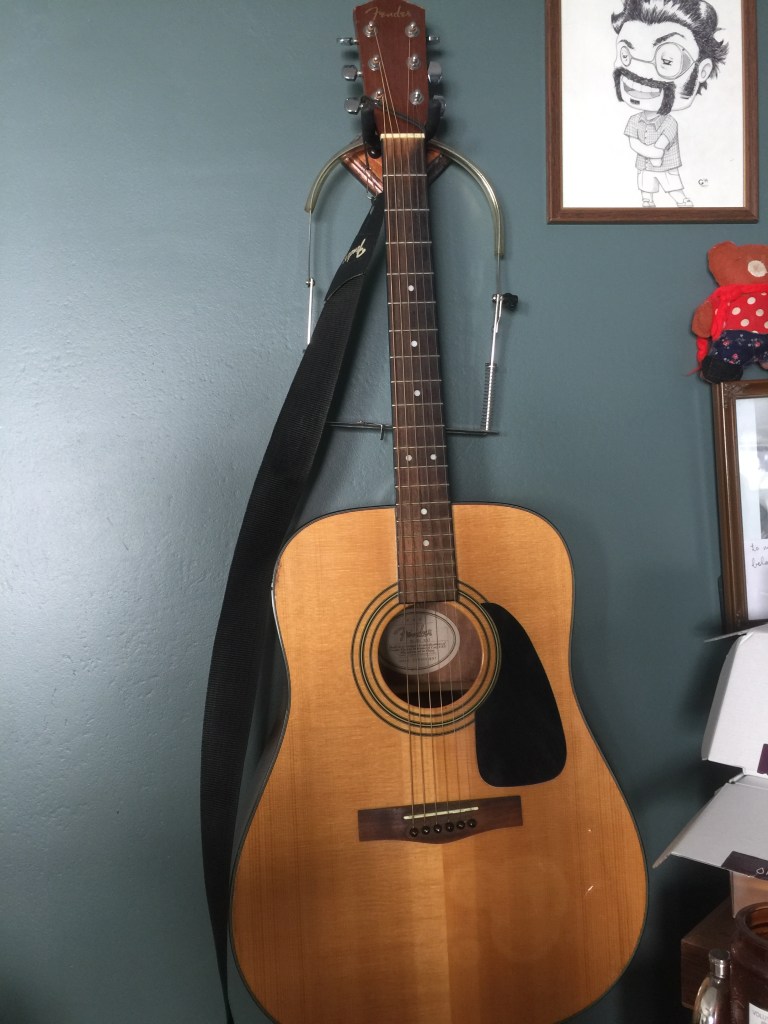
My mom bought me my first acoustic guitar back in high school. It was a Fender dreadnought package deal with a gig bag, a tuner, strap, and some picks. She agreed with the Guitar Center guy who said it was important to get the upgrade from the Squier version which had the laminate top if this was to be something that I was really going to use. The Fender DG NAT 8 has a solid spruce top, laminate mahogany back and sides, and a very tough and hard finish all over. That guitar is what I learned on and it became my main guitar for over a decade.
It is still a decent piece today that I use for casual playing, I call it my “beach guitar”. It has cracks in the finish, chips in the head stock, worn out frets, stains, and old, old strings. The solid spruce top has aged well, doesn’t sound bad, and there’s no structural problems. I still have the original strap on it too! However, I knew it was limiting my ability, and when I picked up playing regularly again, I decided it was time for an upgrade.
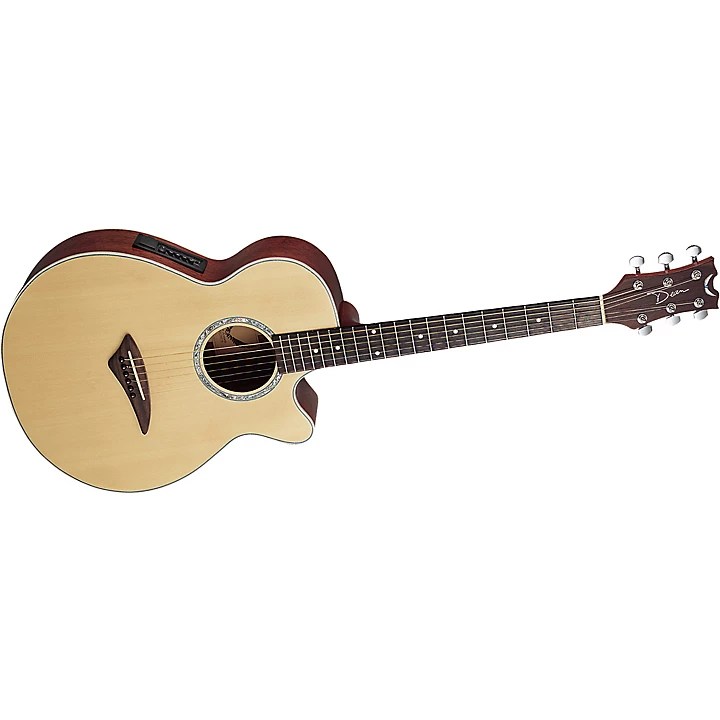
I had a second acoustic guitar for a while that I was safekeeping for a friend. It was a Dean make with a laminate top, cutaway auditorium shape, abalone inlays, and a built-in preamp. It had better playability than the Fender with its faster action and a wider nut, and it was prettier. It served well for plugged in applications and having a second guitar enabled me to experiment with alternate tunings easily. I took care of it and finally returned it to my friend with each of us grateful for the time it was with me. Of course, I have played many other acoustics, and with all of this experience I had a notion for what I wanted in my own upgrade.
A bottom line spec for my search was an all solid wood construction and no affording the extra costs for pretty inlays, rosettes, and binding. I was seeking a solid, utility instrument. I ruled out classicals with their very wide nuts, small guitars with their low volumes, 12 strings, vintage pieces, and guitars that costed more only because of the brand on their headstock. I discerned that my criteria would lead me to a guitar in the $1500 price range (late 2020 prices). This still left me a very wide field to explore. Visits to my neighborhood music shop helped me narrow it down much further.
Kline Music has a small but well curated selection of guitars. They cater more to young music students and offer lots of instrument rentals for them. The small shop is surprisingly organized yet varied, with some unique world instruments that are fairly rare and a large library of books and scores. Whatever they don’t have in stock I can typically order, and the staff has always been friendly. I knew I wouldn’t mind making my important purchase at this gem of a neighborhood shop. Looking at their wall of guitars, I quickly narrowed my search down to three makers: Yamaha, Furch, and Larivee.
When I played every guitar at Kline music, they were kind enough to let me use a practice room for sound isolation. I learned that a dreadnought body with a solid spruce top was the sound that I wanted. The dreadnought shape has a good thump for my style of percussive rhythm playing. Spruce gives a nice slap that compliments the thump. Combined, the tone has a bit of a scoop in the mid frequencies that leaves room for my singing, harmonica, or whatever else I am accompanying. (I should note that between a rosewood or mahogany back and sides, I feel that the mahogany is darker, while the rosewood is punchier. Still, back and sides are less important than the top. Given the choice, I chose rosewood, but am happy with either.)
After plenty of online research, I narrowed it down to a Yamaha FGX5, a Larivee D Simple 6, and a Furch Green SR. The Yamaha is so versatile with that preamp setup, the Larrivee has an elegant simplicity and is much cheaper, and finally the Furch is from a little-known maker that is doing incredible work in the Czech Republic. Each one I would be happy with today, but I could only choose one.
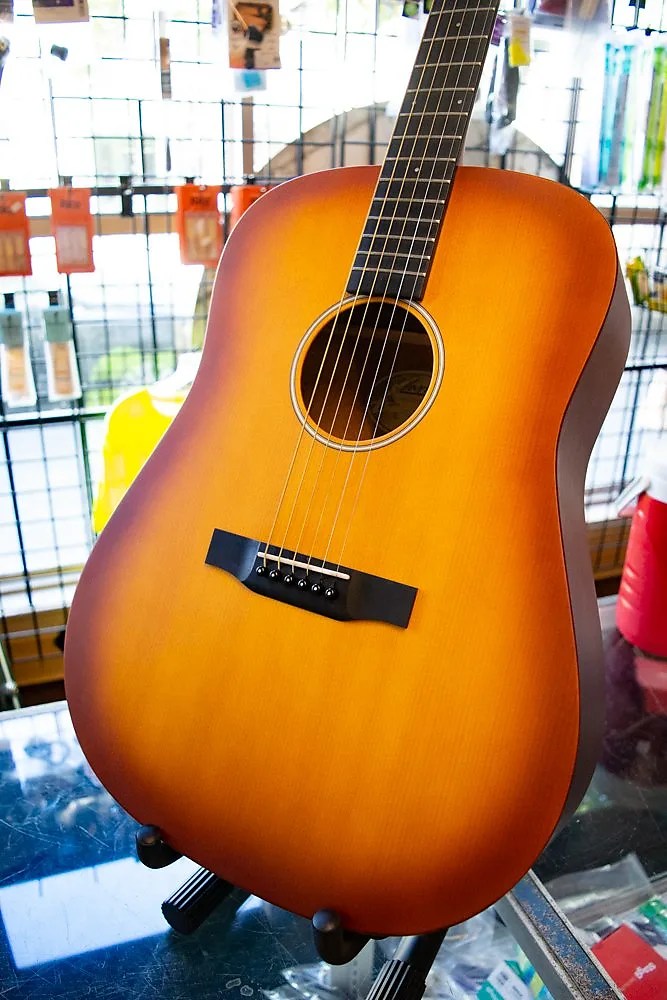
They were all hard to acquire. A pandemic didn’t help that a bit. The Yamaha and the Furch would need to be ordered through Kline, and who knew how long that would take. The Larivee was out of production, but there was one 300 miles away in a tiny shop on the northern CA coast, and they also had an FGX5 on the floor! I nearly took the vacation time to make that long trip and shoot those guitars out against each other to bring one home. What made me ultimately decide on the Furch? This video.
I was drawn to Furch for their uniquely modern neck joinery, as the build sturdiness was a prominent detail in my search. Larivee uses traditional dovetail joinery which is typically better than whatever Yamaha’s factory uses and declines to mention, while both of them still end up lighter than the Furch neck joint. This detail is characteristic of Furch’s build, and the factory tour video reveals the passion and innovation that the owner, the founder’s son, is applying to guitars. That high-tech neck makes the guitar’s balance a little unusual, but I can definitely feel how solid it is, and that is very encouraging.
I opted to not get the electronics from the factory, as the large preamp interface would mean a hole in the side of the guitar, and I could find ways to amplify otherwise. I decided to splurge a little and get the extra sunburst finish. It was the most expensive option of the three, about $2,000, but I have no regrets. It took about 9 months for it to arrive as the factory had made it to order and shipping delays were happening.
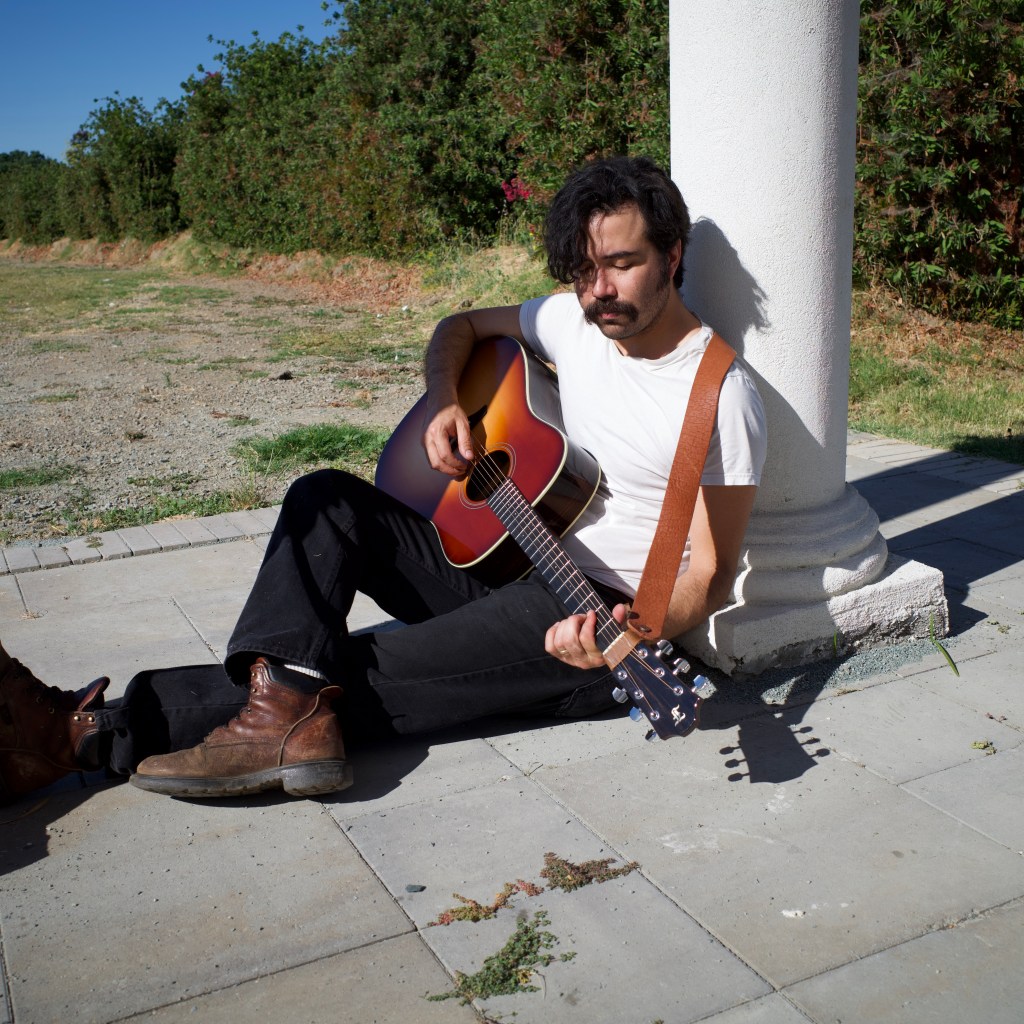
This Furch SR is now my main guitar for jamming, performing, and recording. I named it “Flicker”.
That’s it! If there are odd images below, those are WordPress ads. That’s what I get for a free website!
 Three Armed Bandit